Two calendars sell Espiritu Santo: the dry one from May to October, when beaches, roads and the whale season line up, and the wet one from November to April, when fares and rooms fall by a quarter or more. People get stuck because the week they can take is fixed, and on a nine-day trip a washed-out afternoon costs more than the saving.
Rain, heat and the shape of a day
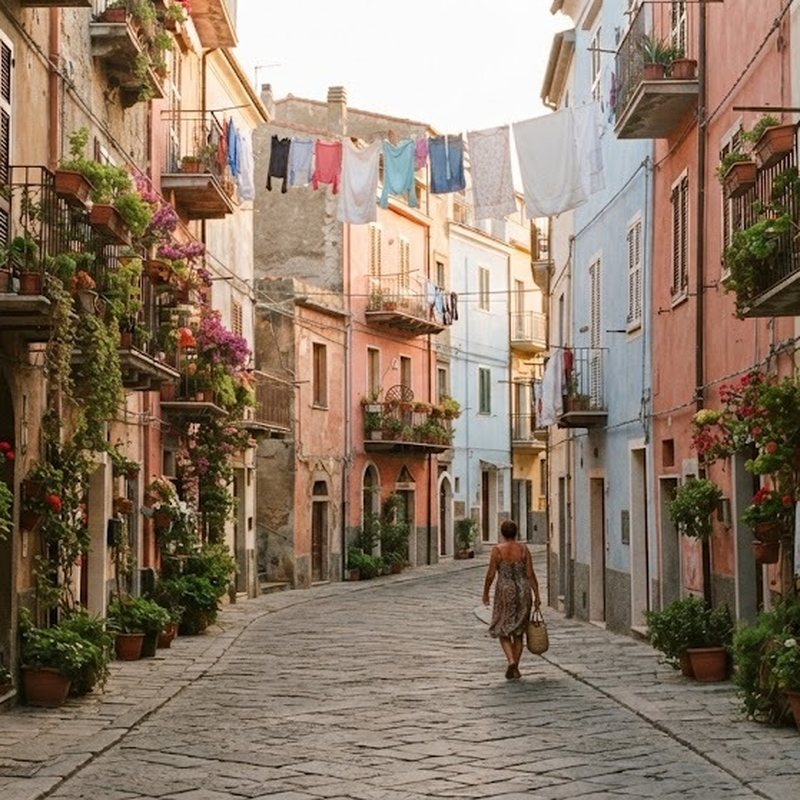
The dry season runs on trade winds: afternoons near 27 degrees Celsius, nights around 20, humidity low enough that the walk to the market at seven is a pleasure rather than a chore. From November to April it sits at 29 to 31 with the air wetter than the sea, and the rain usually arrives between two and five before clearing.
The dry months carry the year's only crowds as well: Australian and New Zealand school holidays fall in late June and through September, so the town and the beach road feel busiest in exactly the weeks when the weather is at its best. I have learned to promise myself empty sand in August and to accept the parking that comes with it.
That timing matters more than the totals do. February mornings are generally usable, so a day that starts at six and finishes by two survives; a day built on long afternoons does not. I judge a season by how many days it stopped me doing the thing I came for, and by that count the dry months win.
What the same week costs
The gap in money is what settles most arguments between people who have already booked. Here is one week in each half of the year:
| Item | May to October | November to April |
|---|---|---|
| Flight from Port Vila | 24,000 to 30,000 vatu in June and July | 15,000 to 22,000 vatu, lowest in February |
| Room in Luganville | 4,500 to 8,000 vatu a night | 3,000 to 5,500 vatu a night |
| Champagne Beach | Bus crowds on cruise days | Empty on most days |
| Rain days in a week | Zero or one, short and light | Two or three, mostly afternoons |
| Tours and boats | Two departures, full schedules | One departure, guides on leave |
The February saving is real, and it buys a thinner island: a simpler room, one dive boat instead of two, and kitchens that stop serving earlier. Food, fuel and market prices barely move between the seasons, so the discount sits in the bed and the flight, which is where most of the budget sits anyway. I have taken both versions of the same week, and the only thing I missed in the cheap one was the second boat.
Who is open, who shortens, who shuts
Nothing that a first visit depends on closes outright. The island does run at reduced speed from January to March:
- Open all year: the Luganville market, the nakamals, the banks, both blue hole sites and the operators running dives on the SS Coolidge.
- Shortened: dive boats drop to a single morning trip, a few cafes lose a weekday, guesthouses start answering phones after nine.
- Shut for a stretch: two small guesthouses and one kitchen in town take a February break, and the notice goes on the gate rather than online.
There is no scheduled passenger ferry here to cut back, so the flights are the timetable, and a storm over Port Vila can leave Santo waiting a day for the next seat. I only book the last flight of a day when the rest of the week has room to move, and in February I have watched that rule save a boat connection.
Who each half of the year fits
- May to October suits anyone whose week is built around water: diving the Coolidge in better visibility, humpback whales passing from July into September, firm roads to the east coast and every operator on a full schedule. It costs 25 to 40 percent more and puts cruise passengers on the same sand as you on ship days.
- November to April suits travellers who start early and keep a list: empty beaches after ten, green hills, cheaper seats, and a village pace that never pretended to hurry. It asks for flexibility on tours and for accepting that one afternoon in three is spent under a roof.
Whales tilt the choice more than people expect. July to September is the dry season, and a morning boat out of Luganville on a calm August day is the difference between a sighting and a rumour; the wet months promise nothing of the sort, which is a large part of why the brochure calendar looks the way it does.
My verdict, and the exception
For a first visit I take the dry season, and not because rain frightens me. A first visit is usually one week long, and that week has to hold the wreck dive, a whale trip and the drive to Champagne Beach at once; the dry months deliver all three on schedule for roughly a quarter more than the cheap ones.
The exception is anyone whose dates can move, who should take the shoulders rather than either extreme. The last week of April and the first of November give dry-season services at wet-season prices: rooms near 3,500 vatu, seats from about 16,000, showers that clear before breakfast and none of the February closures. Choose the wet weeks only if your plan is a morning plan and a closed door would not ruin the trip.