Island Holidays Are Beautiful - and Mistakes Are Expensive
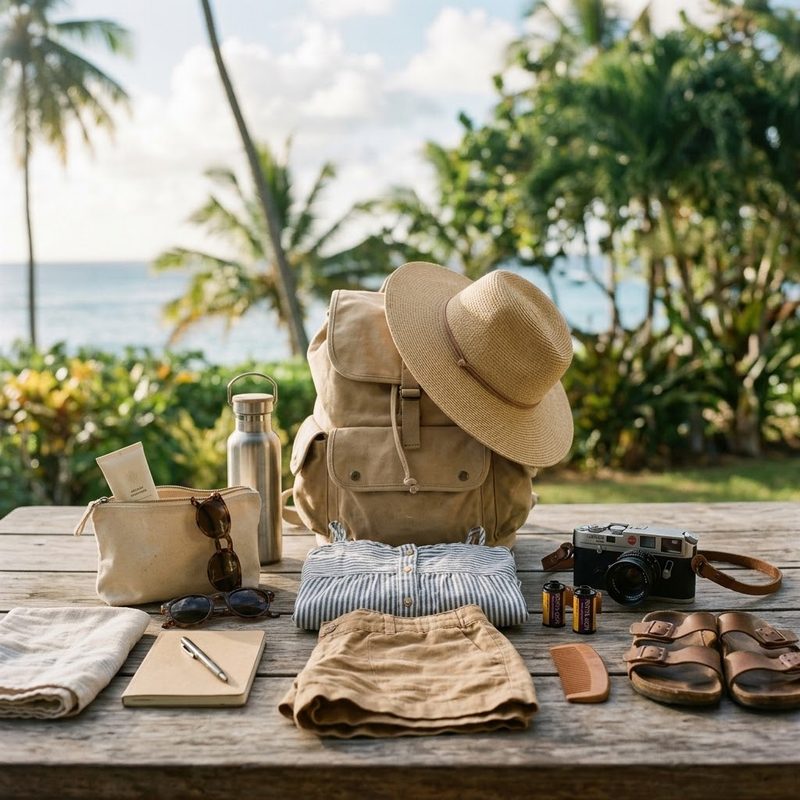
Island landscapes do not need filters. Bright colour, long beaches and that particular light are enough to reboot anybody's head, unless they are a genuine megapolis person.
Most organised trips to islands are sold all-inclusive, so you can travel with almost nothing: passport, toiletries, a small medical kit, and buy the rest on arrival. The catch is the price. Islands are rarely cheap, and a forgotten item at island shop prices is a poor way to spend the last afternoon of a holiday.
So I pack deliberately. The rule has one exception, food and anything heavy, especially when the last leg is by seaplane. Those aircraft have strict limits: suitcases weighing more than 30 kg, for example, simply do not go on board. Check what your carriers allow before you fill the bag.
One more warning. Travelling outside the tourist season often cuts accommodation prices sharply, but it also brings downpours and, on some islands, cyclones. Keep that in mind if you are booking a long stay.
Tickets, passports, money and insurance I will not repeat. Here is what else earns a place in my case.
The Gear That Pays for Itself
- Snorkel and mask. Fins and tubes take up space, and hotels rent them, but rental is both less hygienic and roughly 8-10 dollars a day per item. Over a fortnight that is real money, and your own mask fits better anyway.
- Sun cream and repellent. Strong sun, humidity and tropical insects do more damage than people expect. Buy protection before you fly; resort chemists charge for the privilege.
- Clothing. Light natural fabrics, obviously, since they are the most comfortable in the heat. Check the local dress code as well: the Maldives and similar destinations are Muslim countries, and even hotel restaurants may ask you not to arrive in shorts or swimwear.
- Swimwear. Everyone packs a swimsuit. Fewer people pack for what they will actually do: a second suit, a rash guard for surfing so you do not burn, and something comfortable for diving or long boat days.
- Electronics. Camera, lenses, batteries, adapters, headphones and a power bank. The whole point of going somewhere beautiful is wanting to keep a piece of it, and nothing ruins a day like a dead phone on a jetty.
Drone pilots: check the rules twice. Many destinations and hotels ban launches to protect other guests, and some countries confiscate quadcopters at the border. Fines are usual, and arrests of travellers do happen.
What I Leave Behind
Every kilogram you do not pack is a kilogram you can use for the things you will actually bring home, and it matters more than people think when the last transfer is a small plane.
- Full-size bottles. Decant into small ones; island shops restock the basics anyway.
- Three pairs of shoes. Two is plenty, and one of them should be something you can walk a wet jetty in.
- Formal clothes, unless the resort has a stated dress code for dinner.
- Anything you can buy on arrival for less than the space it costs you.
How I Actually Load the Case
Everything above only works if the bag is packed in the right order:
- Documents, medication and one change of clothes stay in the carry-on, because a suitcase that misses the connection on a small island is a suitcase you will not see for days.
- Heavy items go against the back panel, shoes along the edges, clothes rolled rather than folded to save the space the snorkel will eat.
- A dry bag holds the boat-day kit: phone, money and a spare shirt that must not get wet.
- An empty water bottle travels through security and is filled after the gate, since island shops charge airport prices.
- A folded tote rides home in the case, because you will buy something you did not plan to buy.
Travelling With Children
Beyond the usual personal and hygiene items, sort the children's things before departure. Work out whether the brands of baby food you need exist on the island and where they are sold, and do the same for diapers: travellers report that hotel shops price them high and stock them badly, so reserve luggage space for them.
Read the insurance carefully too. Even on a relaxed family trip, check what is covered, the limits and the excess, so an ordinary childhood sniffle does not turn into a problem.
And pack something for the journey itself: a small book, a travel version of a game, cards. Long transfers with a bored child are nobody's idea of a holiday.
Staying Safe on Islands
Any holiday should be planned, and safe. Beaches and resorts look spotless, and they are still places where things go wrong. Unfamiliar food, a change of climate, exotic fruit, heat and plain tiredness can upset a stomach, and on a small island a doctor may be an expensive boat ride away.
This is why I insist on decent travel insurance for every member of the family. Policies are priced individually, age, destination, length of trip and the risks you want included all move the number, so each person can take a different cover.
Match it to the actual plans. One of you may spend the week diving, another may not leave the sunbed. Buy accordingly, carry the policy number in paper as well as on your phone, and keep the emergency line somewhere that will still work if the battery does not.