Why Portugal Is an Easy Yes
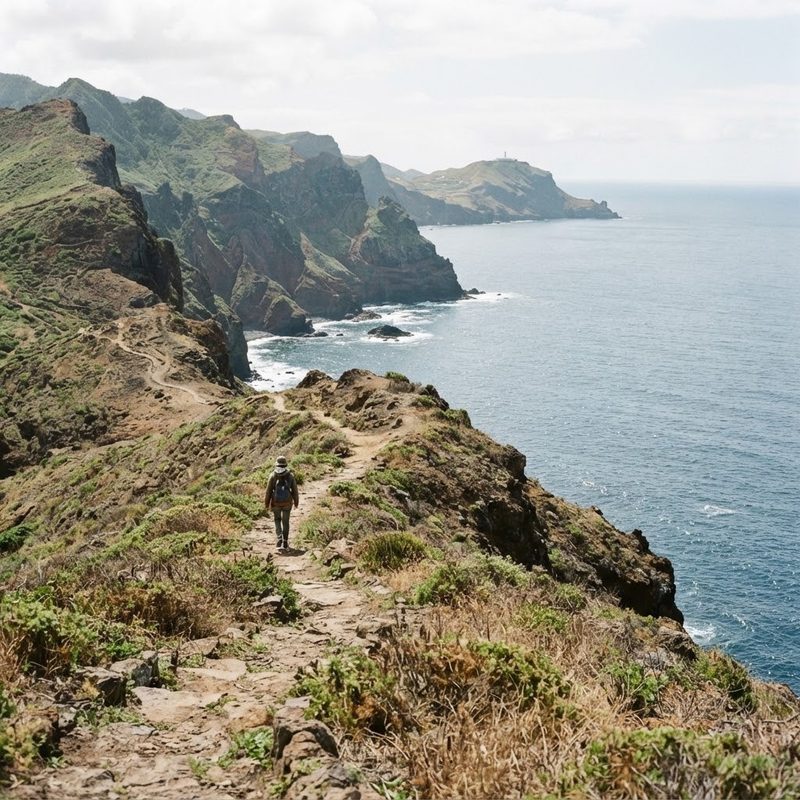
Portugal is the sort of trip that argues for itself. It sits at the western edge of Europe, it is straightforward to reach, and a direct flight from Brazil lands you in Lisbon after about 9 hours, shorter than most people expect for a European destination.
What waits at the end of it: landscape that changes every hour, wines that count among the best in Europe, a cuisine built on fish, seafood, vegetables, olive oil and good pork, and people who are easy to talk to. Couples, groups of friends, families and solo travellers all fit here, largely because the country is compact and the transport is sane.
The climate helps. Winters are milder than in most of Europe, and summer arrives before the rest of the continent has finished complaining about the cold. The currency is the euro, so work out how many days you have and what that means in euros. A prepaid travel card is accepted almost everywhere and is safer than carrying cash for the whole trip.
One honest note on the pandemic legacy: Portugal kept a Clean and Safe certification for tourism businesses, and hygiene standards in hotels and restaurants remain above what they were before 2020.
When to Go
The climate is gentle enough for a visit at any point in the year, but the regions, the crowds and the prices all shift with the calendar.
Autumn and winter, roughly October to April, bring rain and proper cold. It even snows in the north and in the central highlands, which makes a ski trip possible on the same journey as a city break.
Spring runs from mid-March into June: fields in flower, comfortable temperatures for walking, and none of the summer density.
Summer is the long, bright season. Days run late, the sun is still up after 9 pm, so a swim at 8 in the evening is entirely reasonable. August is the peak: busiest, dearest, and the month the Portuguese themselves head for the Algarve beaches. If you want summer without the crush, take early July or September instead.
August and September are also the grape harvest, when the wineries take in the crop. Some of them let you watch, and a few still let you take part in the traditional treading of the grapes.
The country is small, yet the north and the south disagree about weather. Porto and the Douro valley run cooler and wetter, the Algarve stays warm well into autumn, and Lisbon sits in between. If your dates are already fixed, pick the region to match them rather than the other way round.
What It Costs
Portugal is good value by eurozone standards. Eating and drinking well, using public transport and paying for sights still costs less than in France, Italy or Spain.
For a properly planned trip I would budget at least 80 euros a day per person covering beds, food, transport and a few entries. Ten days in summer as a package, hotel and breakfast in Lisbon, came to around R$ 8,000 when I last priced it, which sets the scale for peak season. Book outside August and both numbers soften.
The Documents You Need
The list is short, and every item on it matters:
- A passport whose expiry date falls well after your last day in Europe. Check it before you book, not after.
- Proof of your return flight home.
- Proof of where you will be sleeping: a hotel reservation, or an invitation letter from the friend or relative hosting you.
- Travel insurance with medical cover, which is required on the European continent.
Give yourself a couple of weeks to assemble all four. The insurance certificate takes a day or two to arrive, and border officers do ask for proof of the address where you are staying.
Take the insurance choice seriously rather than buying the first result. Compare the medical ceiling, the excess, and whether your activities, driving, hiking or diving, are included. Keep a copy of the policy on your phone and a paper copy in your bag.
Eat and Drink Properly
The local diet means grilled sardines, bacalhau in more forms than I can list, seafood rice, vegetables dressed with excellent oil, and pork dishes inland. Pair it with a glass of vinho verde in the north or a red from the Douro, then finish with a custard tart. Sweets are a serious business here, and ordering one with your coffee is not indulgence, it is normal behaviour.