Pick the Place and the Month First
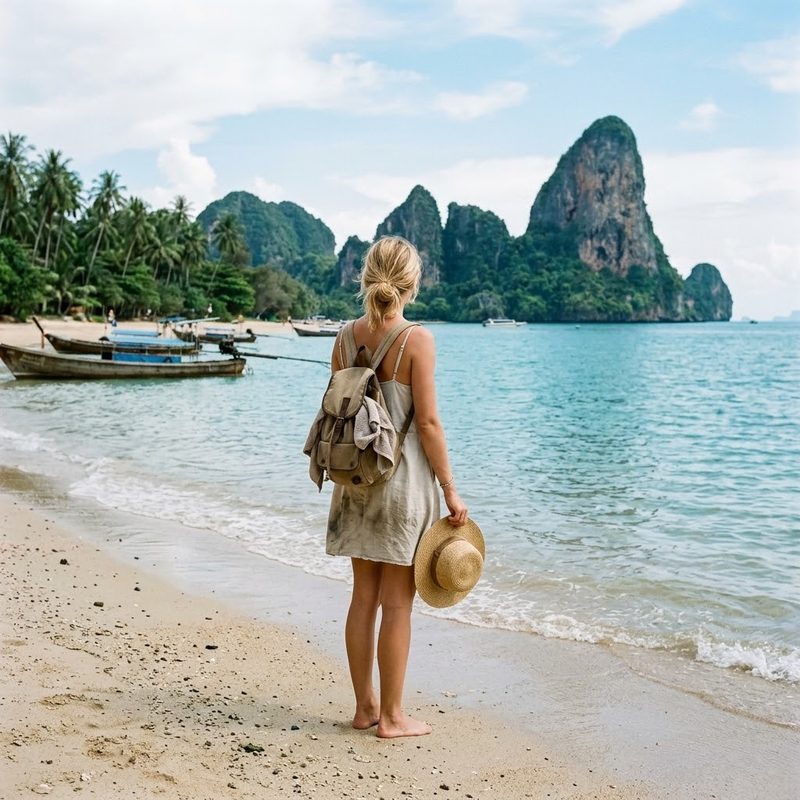
Turquoise water, sandy toes and no textbook in sight: that is the island everybody wants after a semester hunched over a laptop. The snag is the bank account, which tends to picture something considerably less tropical.
The equation only works if you stop searching for cheap islands and start being strategic. Southeast Asia, Central America and the lesser-known Greek islands give you proper beaches and real culture for a fraction of what a Caribbean resort costs. Mainland coastlines deserve a second look as well: Mexico, Portugal and Croatia offer the sunny, slow, harbour-cafe version of island life without the crowds or the inflated bills.
Timing does as much work as the destination. Travel in the shoulder season, the gap between the packed weeks and the dead ones, and you get warm water, thinner crowds and prices that only flexible travellers ever see.
Watch the boat as well as the plane. On island chains the crossing is often the expensive leg, and a slower sailing that saves you a hotel night can cost less than the fast connection you were about to book.
Flying Without Burning the Budget
Budget airlines stop being frightening once you know a few tricks.
Accept the layover. Non-stop is comfortable, but a longer gap between flights, or a route with a stop, can drop the fare dramatically. Treat the airport as a free detour: walk a terminal you would never otherwise see and spend what you saved on something edible and unfamiliar.
Then let the search tools do the boring part:
- Skyscanner tracks price history and sends alerts on specific routes.
- Hopper predicts where fares are heading and tells you when to buy.
- Google Flights runs a flexible date calendar for shifting your trip by a day or two.
It becomes a game of dates, routings and fares, and the prize is a week of sun you did not have to work overtime for.
Where to Sleep Instead of a Resort
Resorts have their place, but island life on a student budget means looking at the other options first.
Homestays are the easy win. Renting a room or a whole flat from residents through the usual apartment sites costs far less than a hotel, and it comes with local knowledge and a neighbourhood that a resort fence would never show you.
If you like meeting people, take a dorm bed in a hostel. You save on the room, you share a kitchen so not every meal has to be bought, and the social scene is built in, which is useful when you know nobody in town yet.
For a longer stay, a work exchange is the strongest option of all. It takes more planning, but swapping a few evening hours at a hostel or small farm for a bed and meals makes island life affordable for weeks rather than days.
This way of travelling asks for more initiative than a package holiday. It also brings back far more stories than an all-inclusive week ever does.
Eat Where the Locals Eat
Skip the restaurants aimed at visitors, with translated menus and prices to match. The good food is usually in a small place with a queue in front of it and no English sign on the door.
Ask at your guesthouse where they eat when they are not working. These rooms are rarely pretty, and the cooking beats anything priced for the view.
Street stalls are the next hunt: bright trays of ingredients, people waiting, smells you cannot name. That is where cheap eating and genuinely good eating turn out to be the same thing.
Local markets are just as useful. Skip the hotel shop and buy fruit, bread and snacks for breakfasts and beach picnics at a fraction of the price, and usually better quality.
Nightlife is where island budgets quietly die. Find the bars the locals go to, with happy-hour deals and a beach nearby, and you get the evening without the bill.
The Best Things Cost Nothing
Paradise is not behind a paywall. A swimsuit and a decent pair of shoes cover most of what an island can offer.
Find your own stretch of sand, a cove with shade at the right hour, or a break where the surfers line up. Then go past the beach. Most islands have a wild interior, trails, waterfalls and viewpoints that cost nothing but effort and water. Carry a reusable bottle, walk early, and you will see the island from above with no resort crowds in the frame.
Walk instead of booking. An hour along the coast road shows you more of a place than any organised tour, the bus back costs almost nothing, and you decide when to stop.
Culture is free too, if you know where to look:
- Ask at the guesthouse or check the local events board for markets, music and small street festivals.
- Follow a crowd that looks dressed up for something, keep your distance, and you may land on a celebration most visitors walk past.
- Talk to people: hostel mates, surf instructors and the barista you keep returning to all know where the free fun is.
Making It Real
Island travel is not only for people with money or a large following. A bit of planning and some disciplined saving gets you there, and the memories do not come with a repayment plan.
Make the decisions in order, because each one narrows the next:
- The month, which settles the weather and the price band.
- The island, which settles the region, the crossing and the daily costs.
- The bed, with a shared kitchen if you can get one.
Everything else follows from those three and gets easier once they exist. A booked flight turns vague intention into a target with a date on it, and saving toward a target is far easier than promising yourself you will start next week. Pick your month, book the cheap flight, find a bed with a kitchen, and go.